Solar Inverter Fault Codes Explained in Simple Terms

8th Apr 2026

Your solar panels are generating clean energy for your home, but sometimes your system may alert you with a fault code on the inverter.

For many homeowners, these codes can be confusing, but the good news is that most solar inverter fault codes are straightforward to understand, and many can be resolved quickly with the right knowledge.

We’ll explain:

  • What solar inverter fault codes are
  • Common codes and their meaning
  • Troubleshooting tips for homeowners
  • When to schedule professional maintenance

By the end, you’ll feel confident in interpreting your inverter alerts and keeping your system running efficiently.

Common Solar Inverter Fault Codes

Different inverter manufacturers may use slightly different codes, but some issues are universal. Here are the most common fault codes and what they generally mean:

1. Grid Fault / Voltage Out of Range

  • What it means: The electricity supply from the grid is outside safe limits.
  • Impact: Inverter may temporarily shut down to protect the system.
  • Action: Usually resolves automatically when the grid stabilises. If persistent, professional check recommended.

2. DC Overvoltage / Undervoltage

  • What it means: The voltage from your panels is too high or too low.
  • Impact: Could reduce energy generation or trigger shutdown.
  • Action: Check panel connections, shading, or extreme sunlight conditions.

3. Earth Fault / Ground Fault

  • What it means: Electrical leakage detected to the ground.
  • Impact: Safety mechanism triggers inverter shutdown.
  • Action: Requires a qualified technician to inspect wiring.

4. Overtemperature / High Internal Temperature

  • What it means: The inverter is overheating.
  • Impact: Can limit performance or cause temporary shutdown.
  • Action: Ensure proper ventilation and remove obstructions near the inverter.

5. Communication Error

  • What it means: Inverter cannot communicate with monitoring system.
  • Impact: System may still generate power, but performance monitoring is affected.
  • Action: Check internet connection or reset monitoring device.
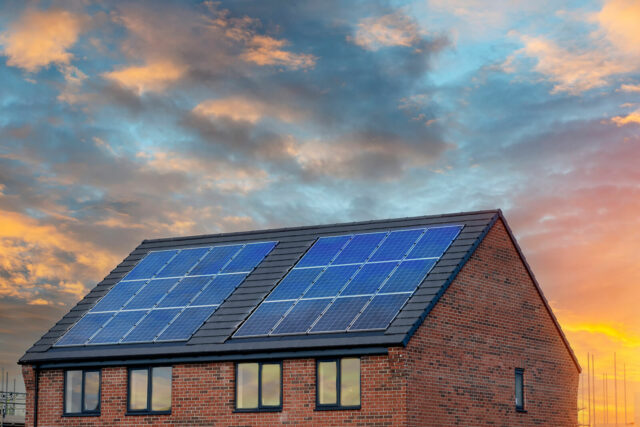
Solar Panel Image

Why Fault Codes Happen

Most faults are preventive warnings, not signs of catastrophic failure. Common causes include:

  • Seasonal weather fluctuations (cloudy days, heat, frost)
  • Temporary grid instability
  • Shading or debris affecting panel output
  • Minor wiring or connection issues

Regular monitoring and maintenance can help prevent small issues from becoming major problems.

How Homeowners Can Respond

Don’t Panic – Many codes are temporary or self-resolving. Take note of the code and check your system.

Consult the Manual – Your inverter manual explains each code in simple terms. Most manufacturers also provide online resources.

Check Conditions

  • Ensure panels are clean and unobstructed
  • Confirm there are no shaded areas
  • Check that the inverter has adequate ventilation

Contact Professionals When Needed – If the fault persists, or if the code indicates an electrical or safety issue, it’s important to schedule a maintenance appointment with a qualified solar technician.

Tips for Maintaining Your Inverter

  • Keep the inverter area clean and free from dust
  • Avoid blocking ventilation around the unit
  • Check connections regularly
  • Monitor system performance via your app or monitoring platform
  • Schedule annual or bi-annual professional checks to catch potential issues early

Solar inverter fault codes are preventive measures, not emergencies. Understanding what the codes mean helps you:

  • Respond appropriately
  • Protect your system
  • Maintain solar panel efficiency
  • Maximise energy savings

With a proactive approach, monitoring, cleaning, and professional maintenance, you can keep your solar system performing reliably for years to come.

Interpreting solar inverter fault codes doesn’t need to be stressful. Most issues are minor or temporary, and professional support is available when needed.

Get in touch today

We'll get back to you within 24 hours.

Reaching out to Sheerwater Solar is straightforward and hassle-free. Whether you’re interested in solar panels for your home or business in Woking, we’re here to guide you every step of the way. You can contact us directly by calling 01932 627 555 or by sending an email to info@sheerwatersolar.co.uk.

Alternatively, fill in our online form for a swift response.

What happens next?

In most cases, we’ll need to conduct an on-site survey at your property to assess the feasibility and provide you with a tailored quote. This visit allows us to understand your specific needs and explore the potential for renewable energy solutions. Following the survey, we’ll discuss the best options for integrating solar energy into your property, including detailed costs and the installation process.

We’re excited to assist you on your journey to renewable energy and look forward to hearing from you.