Solar and Electric Vehicles: Is Your System EV-Ready?
13th Feb 2026
Electric vehicles are becoming a familiar sight on Surrey roads. As more homeowners switch to EVs, many are asking an important question. Can my solar panels power my car as well as my home?
Solar and electric vehicles are a natural match. When designed correctly, your solar system can help reduce the cost of charging your car, lower your reliance on the grid, and make driving electric even more affordable.
But not every solar setup is automatically EV-ready. Here is what you need to know.
Why Solar and EVs Work So Well Together
Charging an electric vehicle increases household electricity use significantly. Without solar, this extra demand is usually met by grid electricity, often at peak evening rates.
Solar panels generate electricity during the day, which aligns well with home charging if your vehicle is parked at home during working hours. Even partial solar charging can make a noticeable difference to running costs.
Using your own solar energy to charge your car means:
Lower charging costs
Reduced dependence on the grid
Cleaner, greener driving
Better use of your solar investment
What Does EV-Ready Actually Mean?
An EV-ready solar system is designed to handle higher electricity demand and work efficiently alongside a home charging point.
This does not always mean you need a larger system straight away. It means your system is designed with flexibility and future upgrades in mind.
Key elements of an EV-ready setup include:
Sufficient solar capacity or roof space for expansion
A compatible inverter that can handle higher loads
Smart energy management
Safe electrical infrastructure for EV charging
Can Solar Panels Charge an EV Directly?
In some cases, yes.
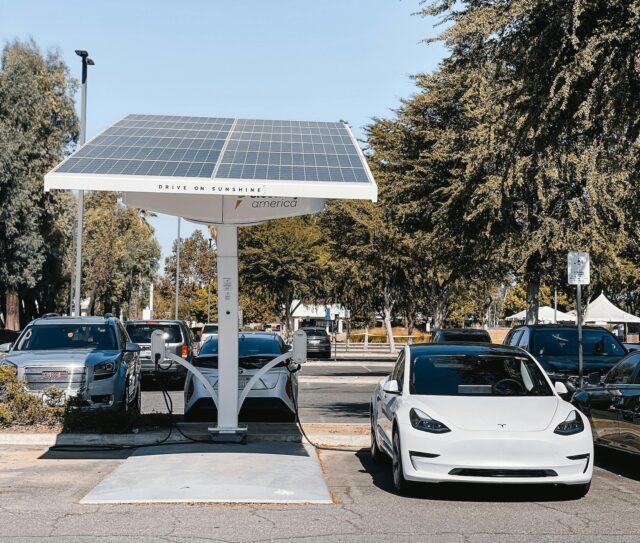
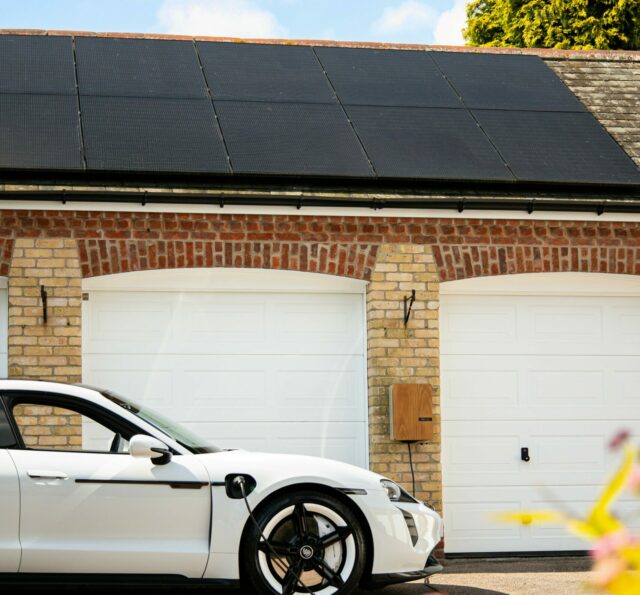
If your car is at home during the day and your charger supports solar integration, your vehicle can be charged using surplus solar energy. This works especially well for remote workers or households with flexible schedules.
However, most EV charging still takes place in the evening. Without storage, this energy comes from the grid rather than your panels.
This is where system design becomes important.
The Role of Battery Storage
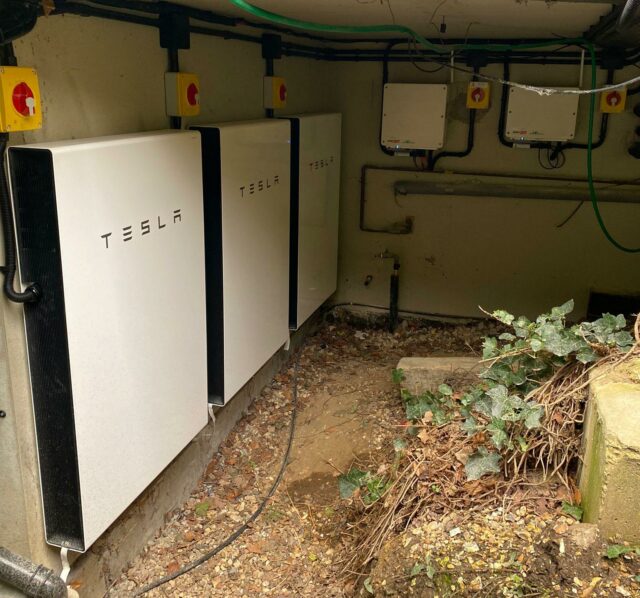
A solar battery allows you to store excess electricity generated during the day and use it later. This stored energy can then contribute to evening or overnight EV charging.
While a battery may not cover a full charge for every vehicle, it can significantly reduce the amount of grid electricity needed.
For many Surrey homeowners, combining solar panels with battery storage creates a more balanced, EV-friendly energy system and increases overall self-consumption.
Smart EV Chargers and Solar
Not all EV chargers are the same.
Smart chargers can be programmed to charge when solar generation is highest or when electricity rates are lowest. Some chargers can prioritise solar energy automatically, adjusting charging speeds based on available surplus.
This means your car charges when it makes the most financial and environmental sense, without manual input.
Choosing the right charger is just as important as choosing the right solar setup.
Is Your Current Solar System EV-Ready?
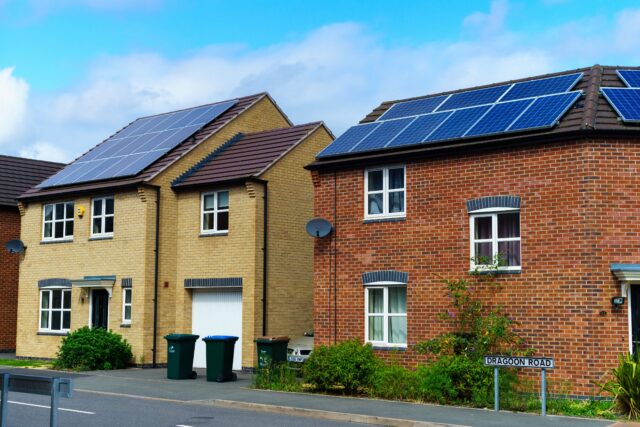
If you already have solar panels, you may not need a full redesign to support an electric vehicle. In many cases, systems can be upgraded or optimised.
A professional review will look at:
Your current system size and output
Inverter capacity and age
Available roof space for future expansion
Household energy usage patterns
Charging habits and vehicle requirements
Small changes can sometimes unlock much better performance.
Planning Ahead for Future EV Ownership
Even if you do not own an electric vehicle yet, planning for one makes sense.
EV adoption is growing, and many Surrey homeowners expect to switch within the next few years. Designing a solar system with EV use in mind from the start is often more cost-effective than retrofitting later.
Savings vary depending on driving habits, charging times, and system size.
Charging an EV primarily with solar can significantly reduce annual fuel costs compared to grid electricity or petrol. Even partial solar charging lowers overall running costs and cushions against future price rises.
Over time, the combined savings from solar and EV ownership can be substantial.
Is Solar Enough on Its Own?
Solar works best as part of a complete energy strategy.
For some households, solar alone covers a large portion of EV charging needs. For others, especially those charging mostly at night, batteries, smart chargers, or off-peak tariffs play a bigger role.
The goal is not perfection, but balance. Using as much of your own energy as possible while minimising grid dependence.
Making Sure Your System Is Ready
At Sheerwater Solar, EV readiness starts with understanding how you live, work, and drive. Every home and vehicle setup is different.
Whether you already have an EV or are planning ahead, a properly designed solar system can support cleaner driving, lower costs, and greater energy independence.
Solar is no longer just about powering your home. It is about powering your lifestyle, today and into the future.
If you’d like to learn more, speak to our experts today. We’re always here to help.
The transition to renewable energy sources is an urgent global necessity. While grand-scale projects often steal the limelight, it’s crucial to remember that everyone can contribute to a more sustainable future. Here, we will explore a range of innovative projects across the UK that demonstrate...
Reaching out to Sheerwater Solar is straightforward and hassle-free. Whether you’re interested in solar panels for your home or business in Woking, we’re here to guide you every step of the way. You can contact us directly by calling 01932 627 555 or by sending an email to info@sheerwatersolar.co.uk.
Alternatively, fill in our online form for a swift response.
What happens next?
In most cases, we’ll need to conduct an on-site survey at your property to assess the feasibility and provide you with a tailored quote. This visit allows us to understand your specific needs and explore the potential for renewable energy solutions. Following the survey, we’ll discuss the best options for integrating solar energy into your property, including detailed costs and the installation process.
We’re excited to assist you on your journey to renewable energy and look forward to hearing from you.