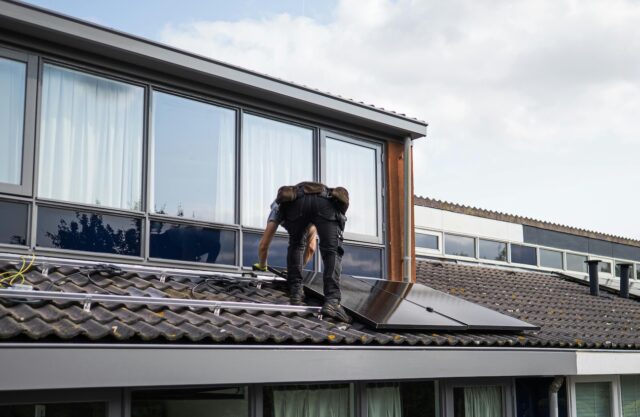
If you’re considering solar panels for your home, one of the first decisions you’ll face is whether to choose in-roof solar panels or on-roof solar panels. Both systems generate clean, renewable electricity and can significantly reduce your energy bills. However, they differ in appearance, installation method, cost and suitability depending on your property.
Understanding the differences will help you choose the option that best fits your home, your budget and your long-term plans. If you’re new to solar, it’s worth first understanding how a professional solar panel installation is designed around your property’s roof, energy usage and future needs.
What Are On-Roof Solar Panels?
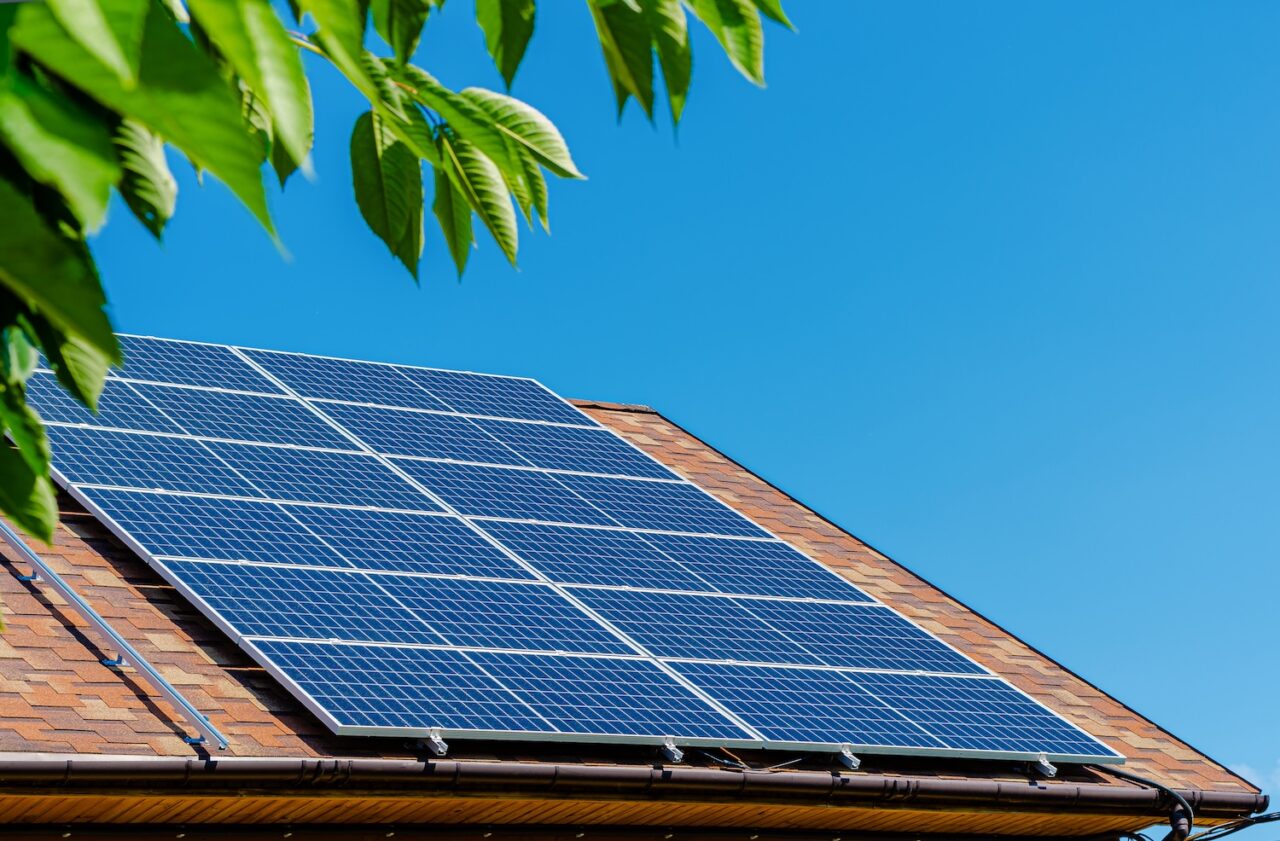
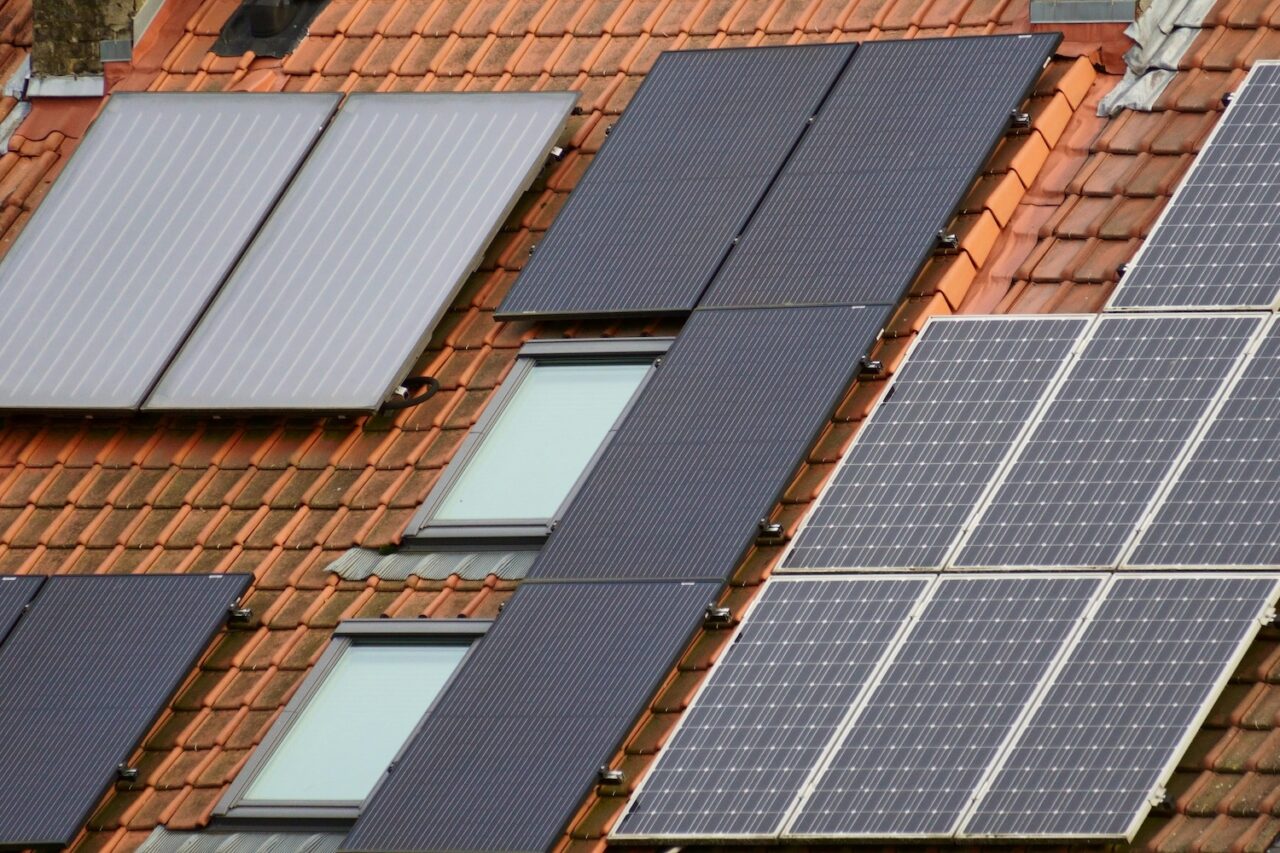
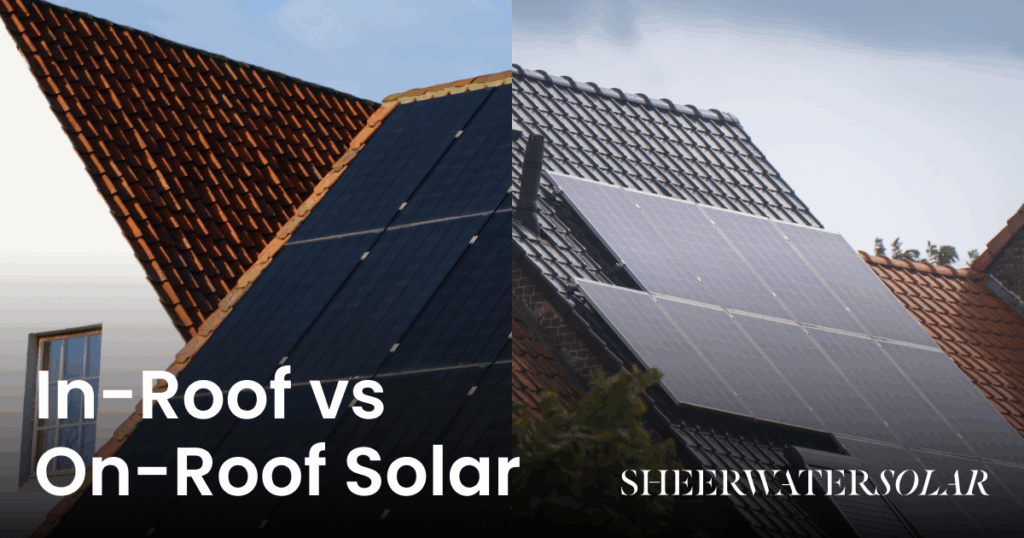
On-roof solar panels are the most common type of residential solar installation in the UK. The panels are mounted onto a rail system that sits above your existing roof tiles or slates. Because the existing roof covering remains in place, installation is generally quicker and more cost-effective. Modern all-black panels also provide a much cleaner appearance than older systems, making them an attractive option for many homeowners.
Benefits of On-Roof Solar Panels
- Lower installation costs.
- Suitable for most existing homes.
- Faster installation.
- Easier access for maintenance or future replacement.
- Excellent ventilation beneath the panels, which can improve efficiency during warmer weather.
For many homeowners, an on-roof system offers the best balance between affordability and long-term performance.
What Are In-Roof Solar Panels?
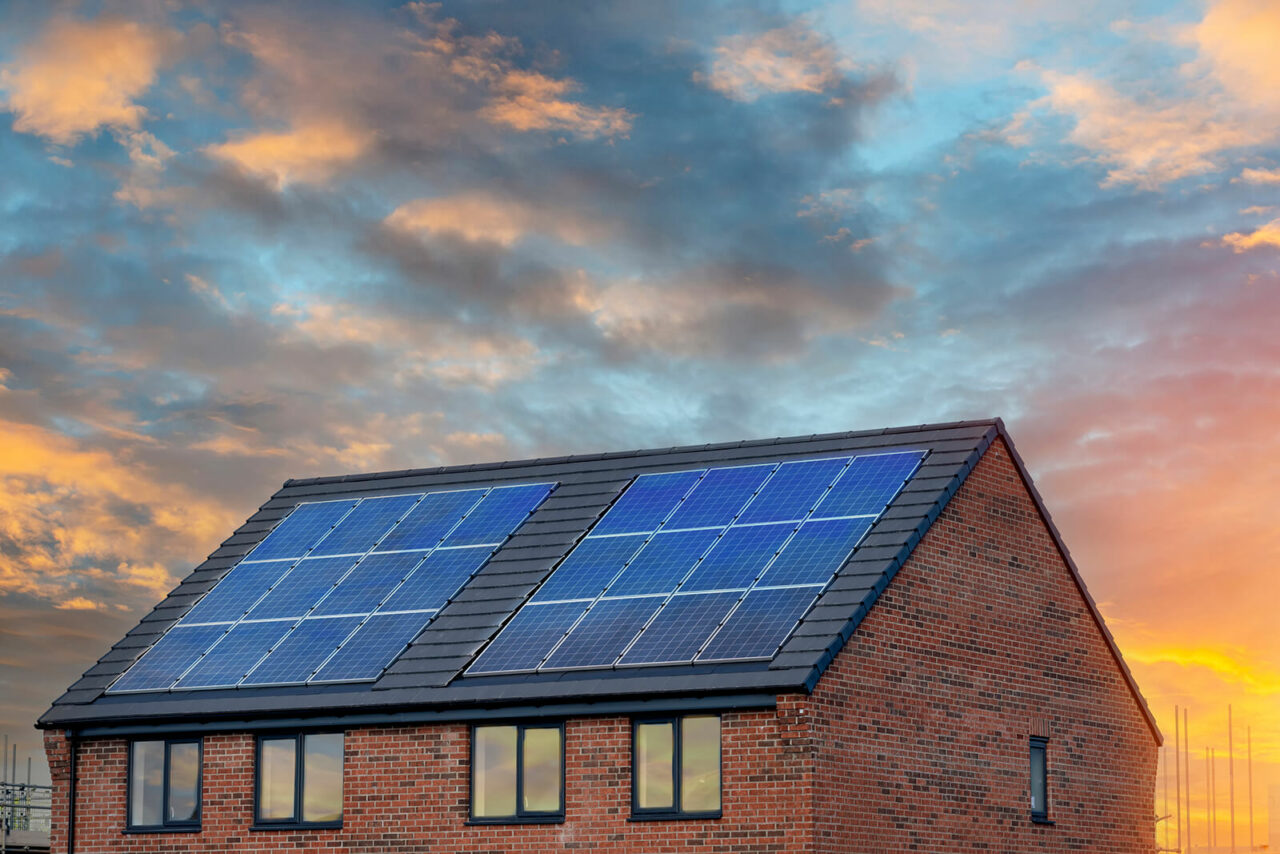
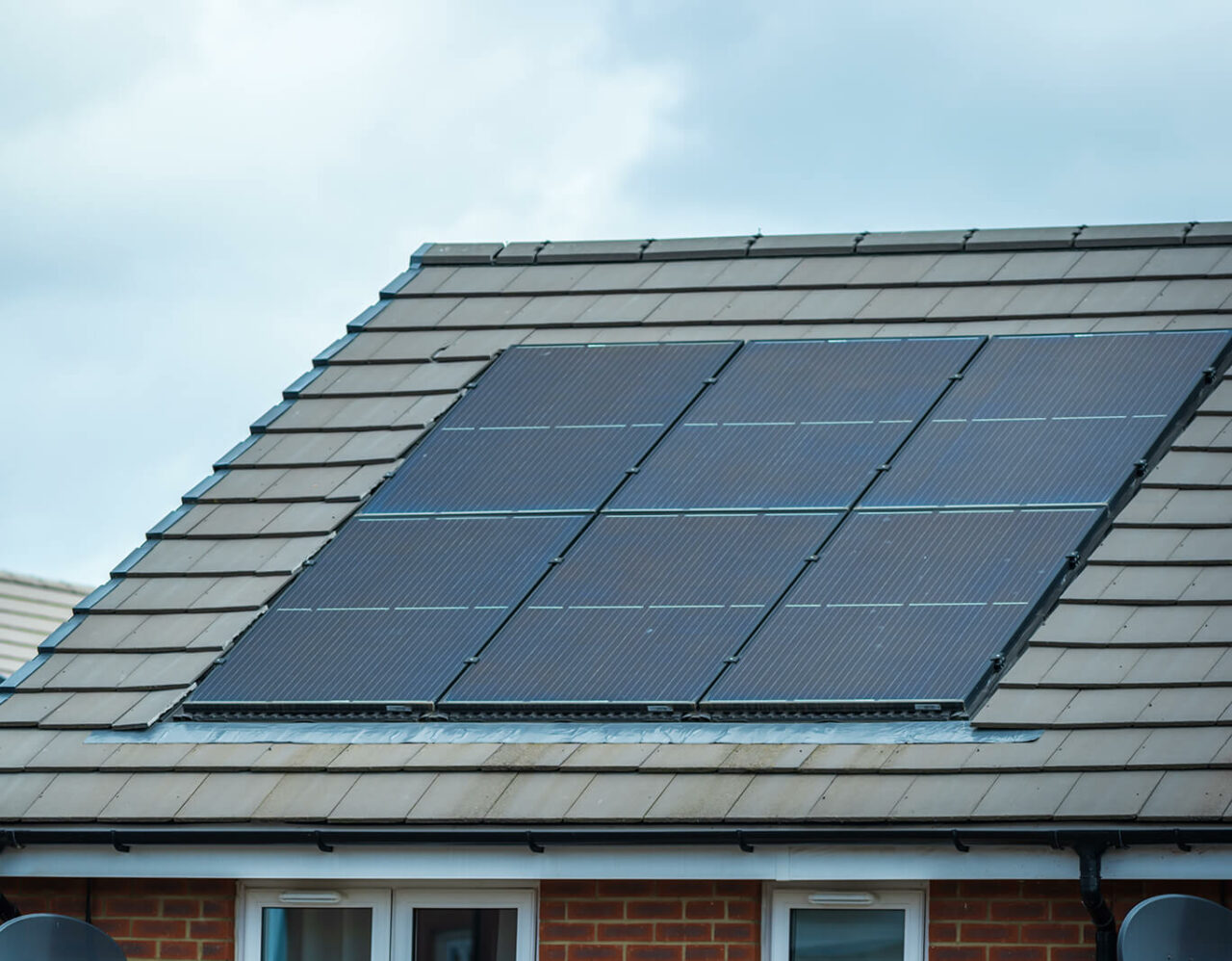
In-roof solar panels, sometimes called integrated solar panels, are installed as part of the roof itself rather than sitting above it. Instead of mounting onto existing tiles, sections of the roof covering are replaced by specially designed solar panels that sit flush with the roofline. This creates a sleek, contemporary appearance that many homeowners prefer, particularly on new-build properties or during complete roof replacements.
Comparing In-Roof and On-Roof Solar Panels
Appearance – If visual appeal is your priority, in-roof systems usually have the advantage. Because they’re integrated into the roof, they create a smooth, minimalist finish that blends naturally into the building. On-roof systems are more visible but modern all-black panels have dramatically improved their appearance. A well-designed layout can complement almost any property.
Cost – Generally speaking, on-roof solar panels cost less to install. Because the existing roof remains untouched, labour and materials are typically lower. In-roof systems involve additional roofing work and specialist flashing kits, making the initial installation more expensive. However, if you’re already replacing your roof, the difference in cost may be much smaller because you’re combining two projects into one.
Performance – Many homeowners assume integrated panels generate less electricity. In reality, both technologies use the same photovoltaic cells, so energy production is often very similar. One small difference is ventilation. On-roof panels allow air to circulate underneath, helping keep the panels cooler. Since solar panels operate more efficiently at lower temperatures, this can provide a slight performance advantage in certain conditions.
According to the Energy Saving Trust, the overall savings from solar depend far more on your roof’s orientation, shading and system size than the mounting method itself.
Installation – On-roof systems are usually quicker to install because they sit directly on top of the existing roof. In-roof systems require closer coordination between roofers and solar installers and are often installed as part of:
- New-build homes
- Roof replacements
- Loft conversions
- Major renovations
Planning solar alongside wider home improvements can save time, reduce disruption and create a more cohesive finish.
Maintenance – Both systems require very little maintenance. Occasional cleaning and routine inspections are normally all that’s needed. On-roof panels can sometimes be slightly easier to access if individual panels ever need replacing. To keep your system performing efficiently, regular inspections by qualified installers are recommended.
Which Homes Suit Each Option?
On-Roof Solar Is Often Best If You:
- Want the most cost-effective installation.
- Already have a roof in good condition.
- Want to maximise return on investment.
- Prefer a quicker installation.
In-Roof Solar Is Often Best If You:
- Are building a new home.
- Are replacing your roof.
- Want a sleek architectural appearance.
- Place aesthetics above initial installation costs.
Should You Add Battery Storage?
Whichever installation method you choose, pairing your solar panels with battery storage can help you make better use of the electricity you generate. Instead of exporting excess energy to the grid, you can store it and use it later in the evening when electricity demand is often highest. Battery storage can improve your home’s energy independence and increase the value you get from your solar investment.
You can also learn more about battery technology from National Grid, which explains how energy storage supports the UK’s transition to renewable electricity.
Which Option Is Right for Your Home?
There’s no single answer. If you’re installing solar on an existing property and want the best value, on-roof solar panels are often the practical choice.
If you’re building a new home or replacing your roof and want the cleanest possible appearance, in-roof solar panels could be worth the additional investment. A professional solar installer can assess your roof, discuss your priorities and recommend the most suitable system for your property.
At Sheerwater Solar, we design bespoke solar systems that balance efficiency, aesthetics and long-term value. Whether you’re considering an integrated system or a traditional on-roof installation, we’ll help you find the right solution for your home.
Speak to Sheerwater Solar
Every home is different, which is why expert advice makes all the difference. If you’d like to explore whether in-roof or on-roof solar panels are right for your property, contact the Sheerwater Solar team to arrange a consultation. You can also browse our recent solar installations to see how different systems look on a variety of homes.