If you’re planning a home renovation, it’s easy to focus on the obvious decisions first – layout, finishes, kitchens, bathrooms and flooring. But if you’re also considering solar panels, one of the most important questions is when they should be installed. Getting the timing right can reduce disruption, simplify installation and help ensure your new solar system is integrated into your renovation rather than added as an afterthought.
Why Timing Matters
Solar panels aren’t just another finishing touch. They affect your roof, electrical system and sometimes even the way your renovation is designed. Installing solar at the right stage means your builder, roofer and solar installer can coordinate their work, avoiding unnecessary delays or additional costs. Leaving solar until after the renovation has finished can sometimes mean reopening completed work or missing opportunities to optimise the installation.
Here’s how to plan your project for the best possible outcome.
The Best Time Depends on Your Project
Not every renovation follows the same timeline. The ideal installation point depends on the type of work you’re carrying out.
If You’re Replacing Your Roof
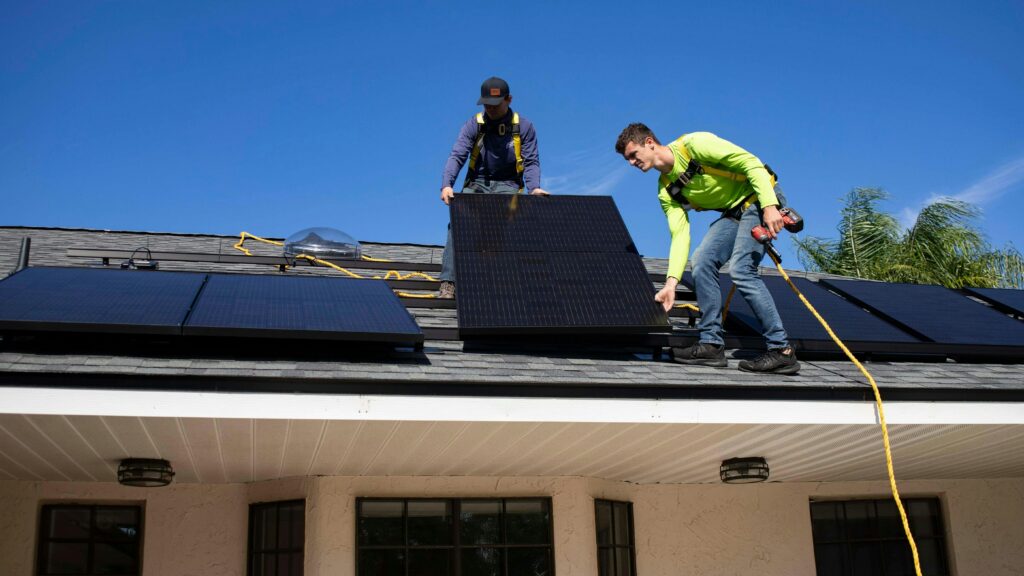
A roof replacement is one of the best opportunities to install solar. With scaffolding already in place and roofing contractors on site, your solar installer can coordinate with them to minimise disruption. It’s also the perfect opportunity to consider whether an in-roof solar system would suit your property, as both roofing and solar work can be completed together.
If You’re Building an Extension
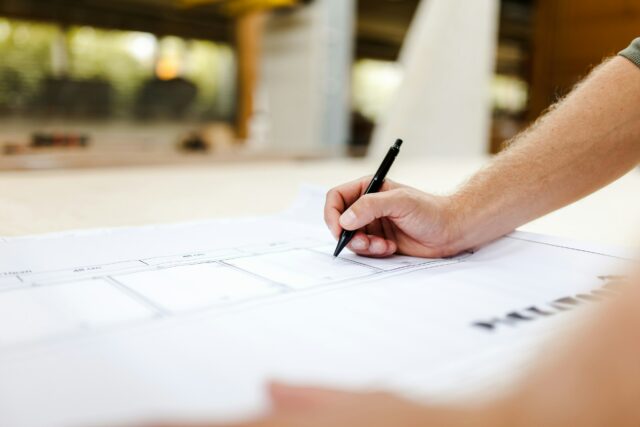
Extensions often create additional roof space that may be suitable for solar. Rather than waiting until the extension is complete, involve your solar installer during the design phase.
This allows them to advise on:
- Roof orientation
- Panel layout
- Structural loading
- Cable routes
- Future access for maintenance
Planning early gives you far more flexibility than trying to fit solar around a finished building.
If You’re Renovating the Whole House
For larger renovations, solar installation is often scheduled once the roof is complete but before internal decoration is finished. This makes it easier to route cables through loft spaces and walls without disturbing newly plastered or decorated rooms. It also gives electricians an opportunity to coordinate consumer unit upgrades alongside the rest of the electrical work.
Coordinate Your Trades
One of the biggest advantages of early planning is allowing different trades to work together. A typical renovation involving solar might include:
- Builder
- Roofer
- Electrician
- Solar installer
- Scaffolding contractor
When everyone understands the project timeline, work can often be completed more efficiently. For example, cable routes can be planned before ceilings are closed, reducing the need for future alterations.
Think Beyond the Roof
Solar panels are only one part of the installation. You’ll also need to consider where equipment such as the inverter will be located. Common locations include:
- Utility rooms
- Garages
- Plant rooms
- Loft spaces
During a renovation, these spaces are often easier to prepare before walls are finished and services are boxed in. Thinking ahead helps create a cleaner installation with fewer visible cables.
Should the Consumer Unit Be Upgraded?
Many older properties undergoing renovation also benefit from an electrical upgrade. If your consumer unit is being replaced anyway, it’s often sensible to discuss solar with your electrician at the same time. Coordinating both projects can simplify installation and reduce repeat electrical work. Your installer will advise whether any upgrades are necessary based on your existing electrical system.
Don’t Forget Future Expansion
Even if you’re only installing solar panels today, it’s worth thinking about tomorrow. Ask yourself:
- Might you buy an electric vehicle?
- Could you add battery storage later?
- Are you considering a heat pump?
- Will your household electricity use increase?
Planning cable routes and equipment locations now makes future upgrades much easier.
Avoid Last-Minute Changes
One of the most common mistakes is contacting a solar installer after the renovation is almost complete. By that stage:
- Roof windows may already be positioned.
- Cable routes become more difficult.
- Finished decoration may need altering.
- Equipment locations become limited.
Speaking to a solar installer during the planning stage helps avoid these compromises.
Working with Your Builder
Many builders welcome early involvement from specialist contractors. Sharing roof drawings and renovation plans allows your solar installer to identify any potential issues before construction begins. This collaborative approach often results in:
- Better panel positioning
- Cleaner cable routing
- More efficient installation
- Fewer unexpected changes
Choosing the Right Installer
When coordinating a renovation, communication is just as important as technical expertise. Choose a solar installer who is happy to work alongside your builder, roofer and electrician throughout the project. An installer who becomes involved early can often identify opportunities that would otherwise be missed. You should also ensure your installer is certified through the Microgeneration Certification Scheme (MCS), which provides recognised standards for renewable energy installations.
At Sheerwater Solar:
1. We’ll let you know what’s available.
Not all buildings are suitable for solar panels, and we don’t want to take your money unless we can actually help. So we’ll come to you, and assess your property before we go any further.
We’ll look at the structure of your roof, the integrity of your electrical wiring, and your annual electricity usage. We’ll also assess the amount and quality of daylight your roof gets.
When we have the information we need, we’ll be able to let you know whether solar panels would be a worthwhile investment for you.
2. We’ll identify what’s suitable for your property
There are many different types of solar panel and inverter, and their availability fluctuates.
Based on our initial assessments and conversations, we’ll identify the most suitable panels and inverters available, and let you know why we’re recommending them.
3. We’ll crunch the numbers
Once you’ve given us the go-ahead, we’ll calculate the cost of procuring and installing the solar panels for you.
We’ll put all this into a written quotation, which we’ll e-mail to you. That’ll also include an estimate for your payback period, i.e. the time your panels will take to recoup the installation cost.
4. We’ll order your solar panels
When we’re good to go and you’ve paid your upfront 25% deposit, we’ll order your panels for you.
Depending on the logistics, we could either get them sent to our offices, or to your property. The latter would mean fewer emissions, but we understand it’s not always feasible.
5. We’ll install them for you
On a date that works for you, we’ll install your new solar panel system either in or on your roof, depending on what you’d prefer. We champion the former because it looks the part, and adds a little style and finesse.
We’ll also connect your system to the internet, so you can track your energy production and usage in real time. Being online also means any technical issues can be identified remotely and instantly, saving you time and minimising stress.
Building Regulations and Structural Considerations
Although many domestic solar installations fall under permitted development, your renovation may involve structural changes that require Building Regulations approval. Roof alterations, load-bearing work and electrical installations all need to comply with relevant standards. Your builder or architect will normally coordinate this as part of the wider renovation project.
The NHBC provides guidance on roof construction and good building practices that can be useful when planning major home improvements.
Planning for Safe Installation
Solar panels are typically installed using scaffolding and involve working at height. If scaffolding is already required for roofing or extension work, coordinating installation can improve efficiency and reduce repeated site setup.
The Health and Safety Executive (HSE) publishes guidance on safe working at height within the construction industry.
Get in touch today
Reaching out to Sheerwater Solar is straightforward and hassle-free. Whether you’re interested in solar panels for your home or business in Woking, we’re here to guide you every step of the way. You can contact us directly by calling 01932 627 555 or by sending an email to info@sheerwatersolar.co.uk.