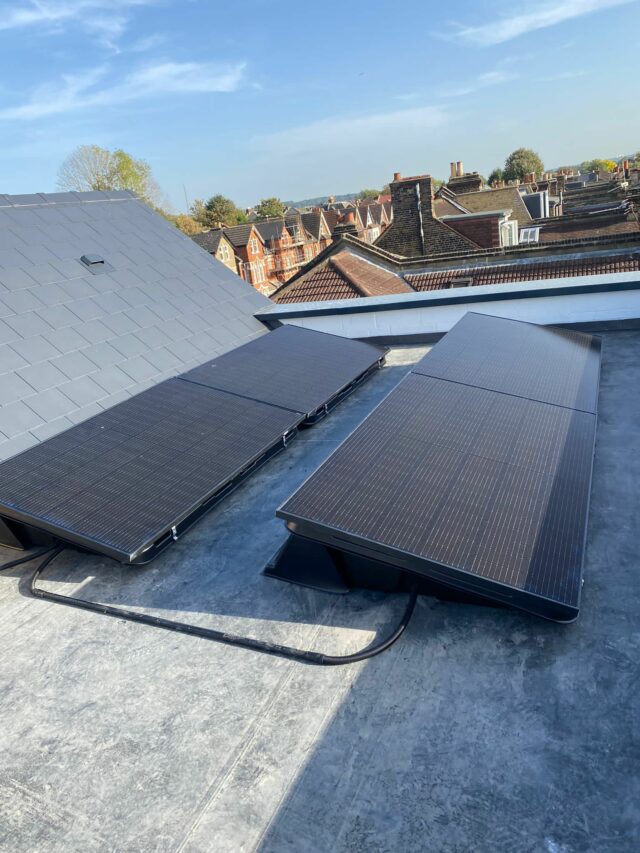
Home improvements are changing. More homeowners are investing in extensions, conservatories and garden rooms to create additional living space, home offices and entertainment areas. At the same time, many are looking for ways to reduce energy bills and make their homes more sustainable. This naturally leads to one question:
Can solar panels be installed on conservatories, extensions and garden rooms?
In many cases, the answer is yes.
Whether you’re extending your home, replacing a conservatory roof or building a new garden room, these projects can create excellent opportunities to incorporate solar panels into your property. Planning solar as part of the wider project often results in a cleaner installation, lower disruption and a home that’s better prepared for the future.
Can You Install Solar Panels on an Extension?
Yes, provided the roof is suitable.
Modern extensions often provide excellent roof space for solar panels, particularly when renewable energy is considered during the design stage. Before recommending a system, your installer will assess:
- Roof orientation
- Roof pitch
- Available roof space
- Structural integrity
- Shading from nearby buildings or trees
Planning ahead allows your architect, builder and solar installer to work together, ensuring roof features such as skylights and rooflights don’t unnecessarily reduce the available space for panels.
Can Solar Panels Be Installed on a Conservatory?
Traditional conservatories with glass or lightweight polycarbonate roofs are generally not suitable for conventional solar panels because the structure isn’t designed to support the additional weight. However, many homeowners now replace older conservatory roofs with insulated tiled or solid roof systems. These upgraded roofs may provide an excellent opportunity for solar, provided they’re large enough, structurally suitable and receive adequate sunlight.
If you’re upgrading your conservatory, it’s also worth considering how energy-efficient glazing works alongside solar panels to improve your home’s overall efficiency.
Can Garden Rooms Have Solar Panels?
Absolutely. Garden rooms have become increasingly popular as:
- Home offices
- Gyms
- Studios
- Entertainment rooms
- Guest accommodation
Because these buildings often rely entirely on electricity, they’re well suited to renewable energy. Depending on the design, solar panels can either help power the garden room itself or contribute electricity back to your home’s main electrical system.
If your garden room is used throughout the day, pairing solar with battery storage can provide even greater benefits by storing unused electricity for use later in the evening.
Roof Orientation and Shading Matter
Whether panels are installed on your main house, an extension or a garden room, roof orientation remains one of the biggest factors affecting performance. South-facing roofs generally generate the most electricity, although east- and west-facing roofs can still perform extremely well. Your installer will also assess potential shading from:
- Trees
- Chimneys
- Dormers
- Rooflights
- Nearby buildings
According to the Energy Saving Trust, roof orientation and shading have a much greater influence on energy generation than many homeowners realise.
Good Solar Design Is About More Than Performance
Extensions and garden rooms are often built to improve both the appearance and functionality of a property. Your solar installation should complement that investment. Modern all-black panels, symmetrical layouts and carefully hidden cable routes create a much more attractive finish than poorly planned installations.
Should You Choose In-Roof Solar?
If you’re constructing a brand-new extension or replacing a roof, in-roof solar panels are well worth considering. Unlike traditional systems, integrated panels sit flush with the roofline, creating a sleek architectural finish that’s particularly popular on modern homes. While they generally cost more than on-roof systems, installing them during construction often reduces the additional work involved.
Battery Storage Makes Even More Sense
Many extensions and garden rooms continue using electricity well after sunset. Adding battery storage allows you to store excess solar energy generated during the day and use it later. This is particularly useful if your extension includes:
- A home office
- Electric heating
- Air conditioning
- Kitchen appliances
- Entertainment equipment
- EV charging
Battery storage helps maximise the value of every unit of electricity your solar panels produce. The National Grid also explains how battery storage supports the UK’s transition towards renewable electricity.
Planning Solar Early Saves Time and Money
One of the biggest advantages of incorporating solar into an extension or garden room project is that much of the work is already happening. Scaffolding, electricians and roofing contractors may already be on site, reducing disruption and making installation more straightforward. Planning early also makes it easier to coordinate:
- Cable routes
- Inverter location
- Battery placement
- Consumer unit upgrades
- EV charger preparation
- Future expansion
Planning Permission
In many cases, residential solar panels fall under permitted development, meaning planning permission isn’t usually required. However, different rules may apply if:
- Your property is listed.
- You live in a conservation area.
- Your extension has planning conditions attached.
The Planning Portal provides detailed guidance on permitted development rights for homeowners. You should also ensure your installer is MCS Certified, giving you confidence that your installation meets recognised industry standards.
Could Solar Increase Your Property’s Appeal?
Many buyers now place greater emphasis on energy efficiency than ever before. A thoughtfully designed extension with solar panels, quality insulation and efficient glazing may make your property more attractive to future buyers.
Although there’s no guaranteed increase in house price, renewable energy can improve market appeal and help reduce future running costs.
Why Choose Sheerwater Solar?
Every extension, conservatory and garden room is different.
At Sheerwater Solar, we design systems that work with your property’s architecture, ensuring your installation is both efficient and visually appealing.
Whether you’re building a new extension, replacing a conservatory roof or creating a garden office, we’ll help you integrate solar into your project from the very beginning.
Final Thoughts
Extensions, conservatories and garden rooms create excellent opportunities to integrate solar panels into your home.
By planning early and considering factors such as roof orientation, aesthetics, battery storage and future energy needs, you can create a system that not only reduces electricity bills but also complements your property’s design.
Whether you’re planning a new extension, upgrading an existing conservatory or building a garden room, speaking to a solar specialist early can help you achieve the best result.
Contact Sheerwater Solar today to discuss a bespoke solar solution that’s designed around your home and your future plans.