
Do Solar Panels Work on Cloudy Days In The UK?

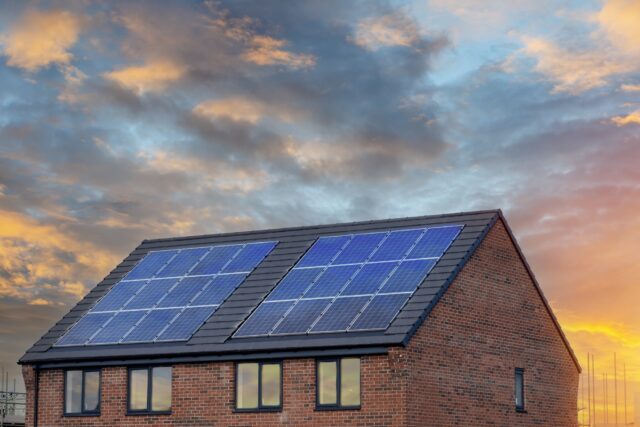
One of the most common questions homeowners ask when considering solar is: “Do solar panels actually work on cloudy days?”

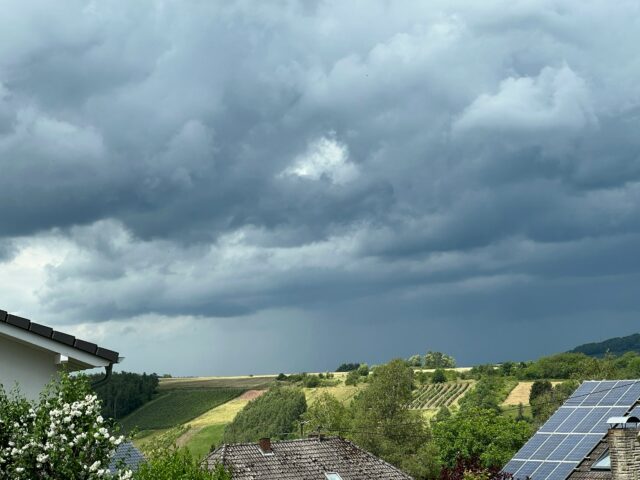
It’s an understandable concern. After all, the UK isn’t exactly known for year-round sunshine. However, the simple answer is yes – solar panels continue to generate electricity even when the skies are overcast.

While they won’t produce as much energy as they do on a bright summer’s day, modern solar panels are designed to capture daylight, not just direct sunlight. That’s why solar remains a worthwhile investment for thousands of homeowners across the UK.

Here’s how it works.

Solar Panels Don’t Need Direct Sunshine

A common misconception is that solar panels only generate electricity when the sun is shining brightly.

In reality, solar panels generate electricity from daylight, not heat. As long as there is daylight reaching the panels, they can produce power.

On bright, sunny days, generation will naturally be at its highest. On cloudy days, production is reduced because less sunlight reaches the panels, but they continue working throughout daylight hours.

According to the Energy Saving Trust, solar panels continue to generate electricity even on cloudy days, making them an effective renewable energy solution across the UK.

How Much Less Energy Do They Produce?

The exact reduction depends on the thickness of the cloud cover and the time of year. Light cloud may have only a small impact, while heavy cloud will reduce generation more significantly. Even so, your system will usually continue producing electricity throughout the day.

Rather than focusing on individual days, it’s more useful to consider your system’s performance across an entire year. Solar systems are designed to generate electricity in all seasons, with higher summer production balancing the lower output during winter.

Why Solar Still Makes Sense in the UK

Some homeowners assume solar panels are only worthwhile in countries with consistently sunny climates.

In reality, the UK receives enough daylight throughout the year for solar panels to perform very well. The Met Office records over 1,400 hours of sunshine each year on average across the UK, although this varies by location. Even during periods of cloud cover, daylight remains available to generate electricity.

Countries such as Germany and the Netherlands also have climates similar to the UK yet are among Europe’s leading users of solar energy.

Summer Isn’t the Only Time Solar Works

It’s true that summer generally delivers the highest electricity generation. Longer days and higher sun angles allow your panels to capture more sunlight, meaning you’ll usually produce the most electricity between late spring and early autumn.

However, solar panels continue working throughout:

  • Spring
  • Summer
  • Autumn
  • Winter

Even during colder months, clear winter days can produce impressive levels of electricity because solar panels often operate more efficiently in cooler temperatures than in extreme heat.

What Affects Solar Panel Performance?

While cloud cover plays a role, it’s only one of several factors that influence how much electricity your system generates.

Your installer will also consider:

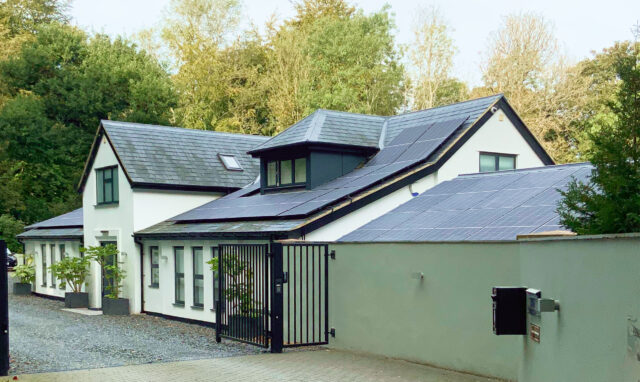
Roof Orientation

According to the Energy Saving Trust, south-facing roofs generally achieve the highest annual generation, although east and west-facing roofs can also perform extremely well.

Roof Pitch

The angle of your roof affects how much sunlight reaches the panels throughout the year. Most UK homes already have roof pitches that are well suited to solar installations.

Shading

Trees, neighbouring buildings and chimneys can all reduce generation if they cast shadows across the panels. During your survey, your installer will assess any potential shading and design your system accordingly.

System Size

Larger systems with more panels naturally generate more electricity, provided sufficient roof space is available. The right system size depends on your household’s electricity usage, available roof space and future energy needs.

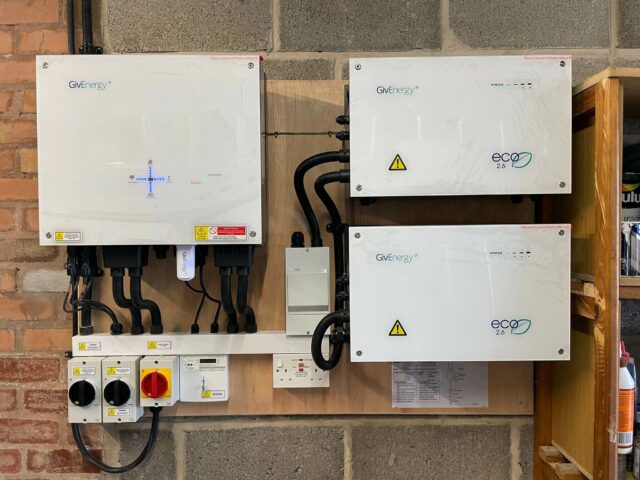
Battery Storage Can Help You Make the Most of Your Solar

Cloudy weather may reduce generation on some days, but battery storage can help you maximise the electricity your system produces throughout the year.

Rather than exporting unused electricity immediately, a battery stores excess energy for later use, such as during the evening when your household demand is often highest.

Battery storage doesn’t make your panels generate more electricity, but it does help you use more of the energy you produce.

Should Cloudy Weather Put You Off Solar?

Not at all. Professional installers calculate expected generation using years of local weather data rather than assuming constant sunshine.

When designing your system, they’ll consider:

  • Average regional weather conditions
  • Roof orientation
  • Roof pitch
  • Shading
  • Your electricity usage

This provides a realistic estimate of how much electricity your system is likely to generate over the course of a typical year.

A Professional Survey Gives You the Answers

Every roof is different, which is why a professional assessment is so important.

At Sheerwater Solar, we carefully assess your property’s orientation, roof space, shading and energy usage before recommending a bespoke solar system. Our goal is to design an installation that delivers excellent long-term performance in real UK conditions, not idealised weather.

Whether your roof enjoys full sun or experiences occasional shade, we’ll provide honest advice on whether solar is the right investment for your home.

Find Out How Much Your Home Could Generate

If you’re wondering whether solar panels would work well on your property, we’d be happy to help.

Book an assessment with Sheerwater Solar, and our experienced team will evaluate your roof, explain your options and provide a tailored estimate of how much clean, renewable electricity your home could generate throughout the year.

Get in touch today

We'll get back to you within 24 hours.

Reaching out to Sheerwater Solar is straightforward and hassle-free. Whether you’re interested in solar panels for your home or business in Woking, we’re here to guide you every step of the way. You can contact us directly by calling 01932 627 555 or by sending an email to info@sheerwatersolar.co.uk.

Alternatively, fill in our online form for a swift response.

What happens next?

In most cases, we’ll need to conduct an on-site survey at your property to assess the feasibility and provide you with a tailored quote. This visit allows us to understand your specific needs and explore the potential for renewable energy solutions. Following the survey, we’ll discuss the best options for integrating solar energy into your property, including detailed costs and the installation process.

We’re excited to assist you on your journey to renewable energy and look forward to hearing from you.