Seven Warning Signs to Look Out For
1. Lights That Flicker or Dim
What it could mean: a loose connection, a failing fitting or a circuit under strain when large appliances switch on.
What to do: if it happens once when the kettle starts, it may be nothing. If it is frequent, spreading to other rooms or getting worse, ask an electrician to investigate.
2. A Fuseboard That Trips Again and Again
What it could mean: tripping is a protective device doing its job. Repeated tripping points to an overloaded circuit, a faulty appliance or a fault in the wiring.
What to do: unplug everything on that circuit and reset. If it trips with nothing plugged in, the fault is likely in the installation itself.
3. Warm, Discoloured or Scorched Sockets
What it could mean: overheating, usually from a loose terminal or too much load on one outlet.
What to do: stop using the socket and have it checked. Sockets and switches should never feel hot.
4. A Burning or Fishy Smell
What it could mean: overheating plastic or insulation. Melting electrical components often smell fishy rather than smoky.
What to do: treat this as urgent (see below).
5. Buzzing or Crackling
What it could mean: arcing at a loose or damaged connection, in a socket, switch or the fuseboard.
What to do: switch off at the main switch if the sound is coming from the fuseboard, and call an electrician.
6. An Old Fuseboard
What it could mean: boards with rewireable fuses, a wooden back or no residual current devices (RCDs) were designed for a very different home. RCDs cut the power within a fraction of a second if current leaks to earth, which is a key protection against electric shock.
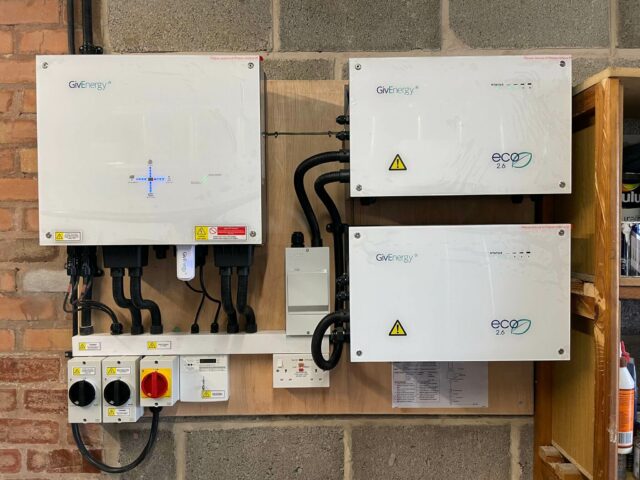
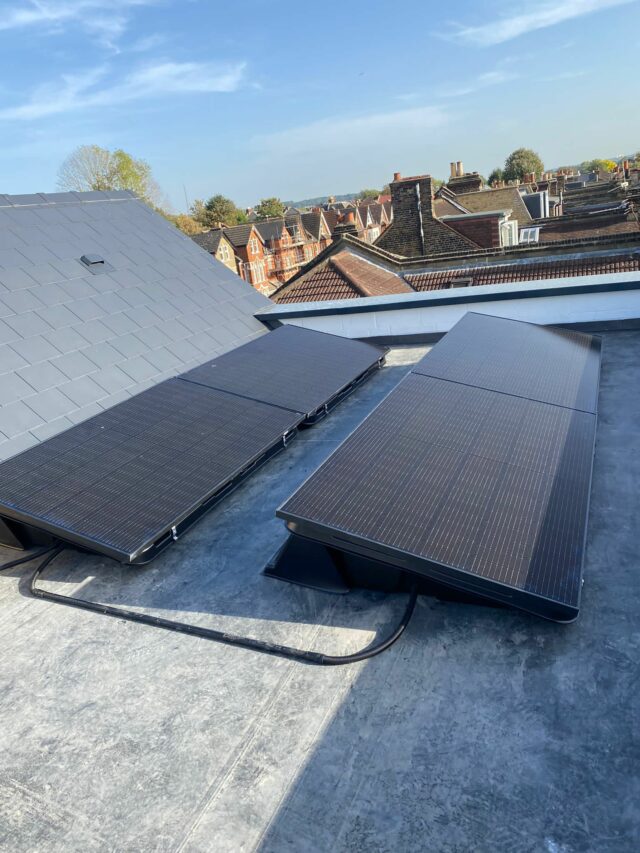
What to do: plan an upgrade, particularly before adding solar panels, battery storage or an EV charger.
7. Extension Leads Everywhere
What it could mean: your home doesn’t have enough sockets for the way you live. Daisy chained adaptors are a common cause of overheating.
What to do: plug high power items such as heaters and kettles straight into a wall socket, and consider adding sockets where you need them. Electrical Safety First has practical advice on using extension leads safely.