As the evenings draw in and the heating goes on, it is natural to wonder what happens to your solar panels once summer is over. Do they stop working when the skies turn grey? Is solar still worth having through the colder months?
The good news is that your panels keep working all year round. Generation is lower in autumn and winter, but a well designed system still produces useful electricity, and there are simple ways to get more value from it. Here is what to expect and how to make the most of every daylight hour.
Do Solar Panels Work in Autumn and Winter?
Yes. Solar panels generate electricity from daylight rather than heat, so they continue to produce power on cool, bright days and even when it is overcast. The Energy Saving Trust confirms that panels still generate electricity on cloudy days, although output is lower than in direct sunshine.
Solar panels also tend to operate more efficiently at lower temperatures. A crisp, clear winter morning can produce surprisingly good results, even though the sun is lower in the sky and the day is shorter.
Why Generation Drops in the Colder Months
While your panels keep working, there are a few reasons you will see lower figures on your monitoring app between October and February:
Shorter days mean fewer hours of daylight to generate from.
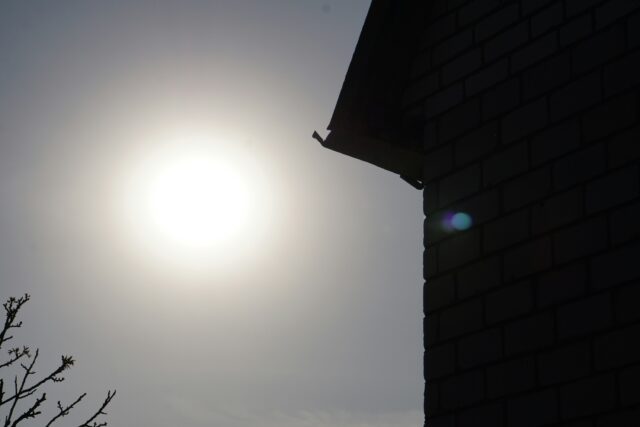
The sun sits lower in the sky, so light reaches the panels at a less direct angle.
Cloud cover is typically heavier and more frequent.
Low winter sun casts longer shadows from trees, chimneys and neighbouring buildings.
This is completely normal and is built into the way solar savings are estimated. Most of a UK system’s annual generation happens between spring and early autumn, and the long summer days more than make up for the darker months. If you would like to understand this in more detail, our guide to how solar panels perform on cloudy days is a good place to start.
What Your System Can Still Do in Winter
Even with lower output, solar continues to reduce the amount of electricity you buy from the grid. During the day, your panels can help power everyday essentials such as the fridge, freezer, broadband, lighting and appliances. If you work from home, daytime generation can also go towards running your home office.
Every unit your panels generate is a unit you do not need to buy. With energy costs still a concern for many households, those savings add up over the winter months.
How Battery Storage Helps When the Evenings Draw In
Once the clocks go back, more of your household’s energy use shifts to the evening, when the lights, cooking and heating all come on. Without a battery, any electricity your panels generate that is not used straight away is exported to the grid.
Battery storage allows you to store that surplus and use it later in the day. In winter, many homeowners also pair their battery with a smart tariff, charging it from the grid overnight when electricity is cheaper and using that stored energy at peak times. This helps your system deliver value all year round, not just in summer.
Simple Ways to Get the Most From Your Panels This Winter
Solar is very low maintenance, but a few seasonal habits can help:
Check your monitoring app regularly. A sudden drop that the weather does not explain could point to an issue worth investigating.
Run appliances during daylight hours. Where you can, use the washing machine, dishwasher or tumble dryer in the middle of the day.
Keep an eye on shading. Low winter sun can make overhanging branches more of a problem than they are in summer.
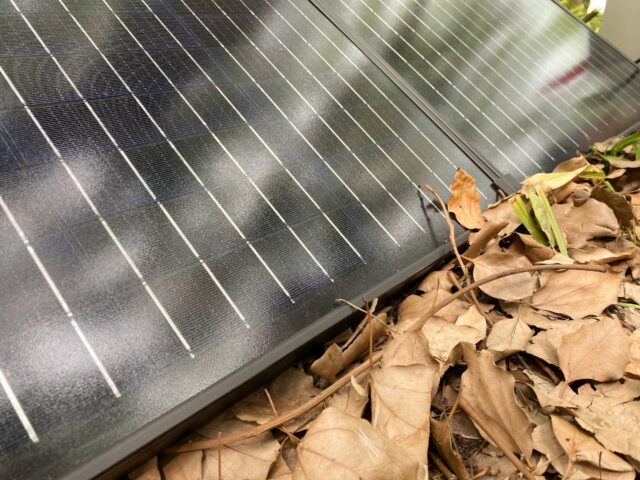
Let the rain do the cleaning. Autumn and winter rainfall usually keeps panels clear, although heavy leaf fall or bird droppings may need attention.
Book a professional check if something looks wrong. A maintenance visit can confirm everything is working safely.
What About Frost and Snow?
Light frost usually clears quickly once the sun reaches the panels. Heavy snow is less common in Surrey and Berkshire, and because panels are smooth and angled, any snow that does settle tends to slide off as it begins to melt.
We would never recommend climbing onto the roof to clear your panels yourself. If snow does settle, it is safest to wait for it to clear naturally.
Is It Worth Installing Solar Going Into Winter?
Many homeowners assume autumn is the wrong time to think about solar. In reality, it is a very sensible time to plan. A survey and system design can be completed over the winter months, so your panels are ready to make the most of the longer days in spring and summer.
It is also worth knowing that the 0% VAT rate on qualifying solar panels and battery storage is currently due to end on 31 March 2027, which makes planning ahead even more worthwhile. Our guide to whether solar panels are worth it in 2026 covers costs, savings and payback in more detail.
Speak to Sheerwater Solar
Whether you already have solar or you are thinking about it for the first time, we are happy to help. Contact the Sheerwater Solar team for a free, no obligation assessment. We will look at your roof, your energy use and your plans, and explain how your system could perform throughout the year.
If your roof requires replacement and you already have solar panels installed, careful planning is essential to ensure everything runs smoothly and without unnecessary disruption.
Temporary Removal of Panels
In most cases, will need to be temporarily removed before any roofing work begins. This...
Reaching out to Sheerwater Solar is straightforward and hassle-free. Whether you’re interested in solar panels for your home or business in Woking, we’re here to guide you every step of the way. You can contact us directly by calling 01932 627 555 or by sending an email to info@sheerwatersolar.co.uk.
Alternatively, fill in our online form for a swift response.
What happens next?
In most cases, we’ll need to conduct an on-site survey at your property to assess the feasibility and provide you with a tailored quote. This visit allows us to understand your specific needs and explore the potential for renewable energy solutions. Following the survey, we’ll discuss the best options for integrating solar energy into your property, including detailed costs and the installation process.
We’re excited to assist you on your journey to renewable energy and look forward to hearing from you.