Solar panels generate the most electricity in the middle of the day, yet most households use the most energy in the morning and evening. That mismatch is why more homeowners are asking whether they should add a battery to their solar system.
For many homes, battery storage is a worthwhile investment. It helps you use more of the electricity your panels generate, rely less on the grid and take advantage of cheaper tariffs. Whether it is right for you depends on your energy use, your system and your plans. Here’s what you need to know.
How Does Home Battery Storage Work?
A home battery stores electricity so you can use it later. During the day, any solar power you don’t use straight away charges the battery instead of being exported to the grid. When your panels stop generating in the evening, your home draws power from the battery before buying electricity from your supplier.
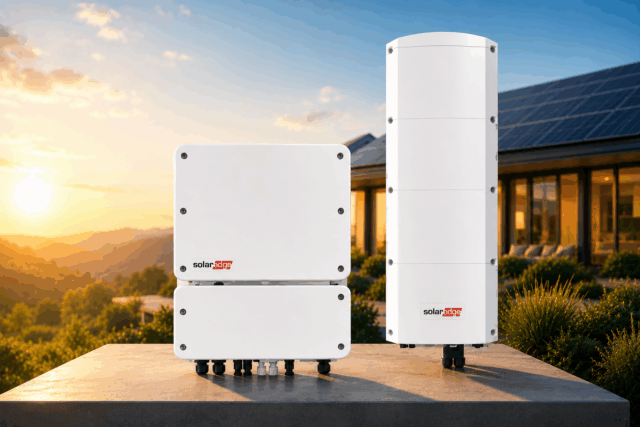
Most home batteries are compact, wall mounted units installed in a garage, utility room or loft. They connect to your solar system through an inverter and can usually be monitored through a smartphone app, so you can see exactly how much energy you’re storing and using.
The Benefits of Adding a Battery
Use more of your own solar energy. Without a battery, many homes use only part of what their panels generate. Storage lets you keep more of it for yourself.
Lower evening bills. Stored solar can power your lights, cooking and appliances after dark, when electricity demand and prices are often highest.
Make the most of smart tariffs. With a time of use tariff, you can charge your battery overnight when electricity is cheaper and use it during peak periods.
Greater energy independence. Relying less on the grid gives you more control over your energy costs.
Year round value. Even in winter, when solar generation is lower, a battery paired with a smart tariff can still reduce your bills.
What Affects Whether a Battery Is Worth It?
A battery isn’t automatically the right choice for every home. The main factors to consider are:
When you use electricity. If you’re out during the day and use most of your energy in the evening, a battery is likely to make a bigger difference.
The size of your solar system. A larger system usually produces more surplus energy to store.
Your tariff. Smart and time of use tariffs can increase the savings a battery delivers.
Your future plans. An electric vehicle, heat pump or home office will all increase your electricity use, which can make storage more valuable.
Your budget. A battery adds to the upfront cost, so it’s important to understand the likely payback before you commit.
How Big Should Your Battery Be?
Battery capacity is measured in kilowatt hours (kWh). Bigger isn’t always better. A battery that is too large for your system or your usage may never fully charge, while one that is too small may run out before the evening is over.
The right size depends on how much surplus electricity your panels produce and how much you use once the sun goes down. During a survey, a good installer will review your energy bills, your solar generation and your lifestyle to recommend a battery that suits your home rather than a standard package.
How Much Can a Battery Save?
Savings vary from home to home, which is why we always recommend a personalised estimate rather than relying on a generic figure. The Energy Saving Trust notes that storing solar electricity to use later can increase the amount of your own generation you use, which in turn reduces the electricity you need to buy.
When you combine solar, battery storage and the right tariff, the savings can be considerably greater than with solar alone. You can read more about the overall costs and payback of solar in our guide to whether solar panels are worth it in the UK in 2026.
Is There VAT on Battery Storage?
Qualifying battery storage installed in homes currently benefits from a 0% VAT rate, whether it is fitted alongside new solar panels or added to an existing system. This relief is currently due to end on 31 March 2027, so if you’re thinking about a battery, it’s worth getting advice sooner rather than later. HMRC sets out the rules in its guidance on VAT on energy saving materials.
Can You Add a Battery Later?
Yes. If you’re not ready to invest in a battery now, you can still install solar today and add storage in the future. If you think you might want a battery later, mention it during your survey. Your installer can then recommend an inverter and system layout that makes adding storage simpler when the time comes.
So, Is Battery Storage Worth It?
For many households, particularly those who use most of their electricity in the evening or plan to add an electric vehicle or heat pump, battery storage is a valuable addition that helps you get far more from your solar panels. For others, a solar only system may be the better starting point.
At Sheerwater Solar, we’ll give you honest advice about whether a battery makes sense for your home, and we’ll never recommend storage you don’t need.
Speak to Sheerwater Solar
If you’re considering battery storage, contact the Sheerwater Solar team for honest advice and a tailored savings estimate based on how your household uses energy. We’ll explain your options clearly and help you choose the right system for your home.
Installing solar panels is only the first step in taking control of your energy. To truly understand their value, it is essential to monitor how much electricity your system is generating and how it is being used within your home.
Most modern solar installations come with built-in monitoring...
Reaching out to Sheerwater Solar is straightforward and hassle-free. Whether you’re interested in solar panels for your home or business in Woking, we’re here to guide you every step of the way. You can contact us directly by calling 01932 627 555 or by sending an email to info@sheerwatersolar.co.uk.
Alternatively, fill in our online form for a swift response.
What happens next?
In most cases, we’ll need to conduct an on-site survey at your property to assess the feasibility and provide you with a tailored quote. This visit allows us to understand your specific needs and explore the potential for renewable energy solutions. Following the survey, we’ll discuss the best options for integrating solar energy into your property, including detailed costs and the installation process.
We’re excited to assist you on your journey to renewable energy and look forward to hearing from you.